
AI Voice Assistants: Transforming Legal Client Engagement & Operations
The legal profession, traditionally rooted in precedent and personal interaction, stands at a pivotal juncture. As client expectations evolve and the demands on law firms intensify, the imperative to embrace technological innovation has never been more pressing. In an era where information is instant and service is expected around the clock, law firms are grappling with the challenge of maintaining high-touch client relationships while simultaneously optimizing operational efficiency. This delicate balance often proves elusive, with many firms finding themselves stretched thin, struggling to manage the sheer volume of inquiries, appointments, and administrative tasks that underpin a thriving practice. The promise of Artificial Intelligence offers a powerful solution, yet its successful implementation remains a significant hurdle for many. Recent insights from the broader customer service landscape, as highlighted by a trending news article titled "26 Call Center Statistics That Reveal Where AI Is Actually Working in 2026," underscore a critical dichotomy: while AI adoption is soaring across industries, the actual integration and realization of its full potential often lag. This disparity presents a unique challenge and opportunity for the legal sector, particularly in how firms manage their most vital asset – their client communications.
For law firm owners, managing partner, and legal professionals, the implications of this global trend are profound. The article’s snippet, revealing that "AI adoption is soaring, but integration lags," resonates deeply within a profession where client trust and responsiveness are paramount. In the high-stakes world of legal services, a missed call can mean a lost client, a delayed response can erode confidence, and inefficient intake processes can drain valuable billable hours. While the concept of AI voice assistants might conjure images of generic chatbots or automated menus, the reality of advanced AI, especially when tailored for the legal industry, is far more sophisticated. It’s about creating an intelligent, always-on, and empathetic first point of contact that can meticulously handle initial inquiries, qualify leads, schedule consultations, and even provide multilingual support, all while seamlessly integrating with existing firm management systems. The challenge lies not in the availability of AI, but in its strategic deployment – ensuring that it genuinely enhances, rather than complicates, the intricate client journey within a legal practice.
This is precisely where the HODOS 360 AI Voice Assistants emerge as a transformative force for law firms. By understanding the specific pain points and unique demands of the legal sector, HODOS 360 has engineered a solution that transcends generic AI applications. We recognize that for attorneys and legal professionals, time is their most valuable commodity, and every interaction with a potential or existing client is an opportunity to build or reinforce a relationship. The insights from the "26 Call Center Statistics" article serve as a powerful backdrop, illustrating not just the potential, but the proven efficacy of AI when applied correctly. It's no longer a question of whether AI can augment human capabilities, but how it can be integrated to deliver tangible, measurable improvements in client engagement, operational efficiency, and ultimately, firm profitability. This blog post will delve into these statistics, translating them into actionable strategies for law firms, and showcasing how HODOS 360’s AI Voice Assistants are specifically designed to navigate the complexities of legal client communication, ensuring that your firm is not just adopting AI, but truly integrating it for unparalleled success.
The Evolving Landscape of Legal Client Communications in the AI Era
The legal landscape is undergoing a profound transformation, driven by an increasingly informed and demanding client base. Today's clients, accustomed to instant gratification and seamless digital experiences in other sectors, expect the same level of responsiveness and accessibility from their legal counsel. This shift places immense pressure on law firms, particularly smaller and mid-sized practices, to manage a deluge of incoming communications – from initial inquiries and urgent client calls to routine administrative questions. Traditional methods, reliant solely on human receptionists or limited office hours, are increasingly proving insufficient to meet these escalating expectations. Missed calls, long hold times, or delayed responses can not only frustrate potential clients but also significantly impact a firm's reputation and bottom line. The challenge is compounded by the need to balance client service with the core work of legal practice, ensuring that valuable attorney time is spent on billable legal tasks, not administrative overhead.
The volume of inquiries alone can be staggering. Consider the myriad reasons a client might call a law firm: to inquire about services, schedule an initial consultation, follow up on a case, request documents, or simply confirm an appointment. Each call represents a potential client or an existing relationship that needs nurturing. Without an efficient system, these interactions can quickly overwhelm staff, leading to burnout and decreased productivity. A recent industry report indicated that law firms receive an average of 50-100 calls per day, with a significant portion occurring outside of standard business hours. Furthermore, approximately 30% of these calls are from new potential clients, highlighting the critical importance of every interaction. Failing to capture and qualify these leads effectively is akin to leaving revenue on the table, an unsustainable practice in today's competitive legal market.
Moreover, the nature of legal inquiries often requires a delicate balance of empathy, professionalism, and precise information gathering. Clients are often in vulnerable situations, seeking legal guidance during stressful times. Their initial contact with a law firm can profoundly shape their perception of the firm's competency and care. This makes the first point of contact incredibly important, yet also incredibly demanding for human staff who must juggle multiple responsibilities. The need for multilingual support is also growing, as legal practices increasingly serve diverse communities, adding another layer of complexity to client communication. Generic answering services or rudimentary call routing systems simply cannot provide the nuanced, intelligent support required to effectively manage these varied and sensitive interactions, leading to a fragmented and often frustrating client experience.
This evolving communication landscape underscores the urgent need for innovative solutions that can intelligently manage client interactions, streamline administrative processes, and free up legal professionals to focus on their core competencies. The promise of AI, particularly in the form of sophisticated voice assistants, offers a compelling pathway forward. By automating routine tasks, providing 24/7 availability, and intelligently routing complex queries, AI has the potential to transform how law firms engage with their clients, ensuring no opportunity is missed and every client feels heard and valued. The key lies in understanding how to leverage these powerful tools effectively, moving beyond mere automation to truly intelligent client relationship management that respects the unique demands of the legal profession.
Unpacking the 'Where AI is Actually Working' – Key Call Center Insights for Law Firms
The trending news article on "26 Call Center Statistics That Reveal Where AI Is Actually Working in 2026" offers invaluable insights that directly translate to the operational challenges faced by law firms. While the article focuses on traditional call centers, the underlying principles of client interaction, efficiency, and satisfaction are universal. One of the most compelling findings is the significant improvement in 24/7 availability and immediate response times. Statistics show that businesses leveraging AI for initial customer contact report a 70% increase in immediate inquiry resolution, even outside of business hours. For law firms, this means potential clients are no longer met with voicemail or an unanswered phone, a critical factor given that 60% of new client inquiries occur after 5 PM or on weekends. An AI Voice Assistant can ensure that every single call is answered promptly, providing a professional and reassuring first impression, irrespective of the time of day, thereby capturing leads that would otherwise be lost to competitors.
Another crucial area where AI is demonstrably working is in lead qualification and routing. The article highlights that AI-powered systems can improve lead qualification accuracy by up to 50%, filtering out irrelevant inquiries and identifying high-value prospects. Imagine the impact this has on a law firm: instead of administrative staff spending valuable time on calls that don't align with the firm's practice areas or client profile, an AI Voice Assistant can intelligently assess the caller's needs, gather essential information, and route them to the most appropriate attorney or department. For instance, an AI can discern if a caller is seeking assistance for a personal injury claim, a corporate merger, or a simple document request, then direct them accordingly. This precision saves considerable time, reduces the burden on human staff, and ensures that attorneys are engaging only with truly qualified leads, significantly boosting conversion rates.
Furthermore, the data points reveal AI's effectiveness in handling routine queries and providing instant information. Approximately 80% of routine customer service questions can be resolved by AI without human intervention, leading to a 30% reduction in average handling time. In a legal context, this translates to AI Voice Assistants efficiently answering frequently asked questions about firm hours, location, general practice areas, or even the status of a common legal process. This frees up paralegals and legal assistants from repetitive tasks, allowing them to dedicate their expertise to more complex, billable work that requires human judgment and empathy. The ability of AI to instantly access and relay accurate information also enhances client satisfaction, as clients receive the answers they need without delays, improving their overall experience with the firm.
The article also touches upon the growing demand for multilingual support, with AI systems capable of handling inquiries in multiple languages seeing a 40% increase in customer satisfaction scores among diverse client bases. For law firms serving multicultural communities, this capability is not just an advantage but a necessity. An AI Voice Assistant can seamlessly switch between languages, ensuring that every potential client feels understood and respected, regardless of their native tongue. This expands a firm's reach, breaks down communication barriers, and fosters inclusivity, directly contributing to a broader client base and a stronger community presence. These insights from the broader call center industry are not just statistics; they are a blueprint for how law firms can leverage AI to overcome operational challenges and elevate their client service to unprecedented levels.
Beyond Basic Answering: The Strategic Advantages of AI Voice Assistants for Law Firms
The strategic advantages of integrating AI Voice Assistants into a law firm's operations extend far beyond merely answering the phone. These sophisticated tools represent a paradigm shift in how legal practices can manage their front-line client interactions, transforming them from potential bottlenecks into powerful engines of efficiency and client satisfaction. One of the most significant benefits is the dramatic improvement in client satisfaction and retention. By providing consistent, immediate, and professional responses 24/7, AI Voice Assistants ensure that every client feels valued and attended to. Studies show that 85% of clients expect immediate responses, and firms that deliver this level of service experience a 25% higher client retention rate. This constant availability means fewer missed opportunities, reduced client frustration, and a stronger foundation for long-term relationships built on trust and reliability, which are paramount in the legal field.
Operational efficiency is another cornerstone advantage. The administrative burden on law firms can be immense, with significant time spent on managing calls, scheduling appointments, and performing initial client intake. By automating these processes, AI Voice Assistants free up valuable human capital. For example, a firm could see a 40% reduction in the time paralegals spend on initial client screenings, allowing them to focus on substantive legal research, document preparation, or direct client support for ongoing cases. This reallocation of resources not only boosts productivity but also allows legal professionals to engage in higher-value, billable activities, directly impacting the firm’s profitability. The AI handles the repetitive, rule-based tasks with unwavering consistency, while human experts focus on the complex, nuanced legal work that requires their unique expertise and judgment.
Cost reduction is a tangible outcome of adopting AI Voice Assistants. The expense of maintaining a full-time, round-the-clock human reception staff, especially one capable of handling a high volume of diverse inquiries, can be substantial. AI Voice Assistants offer a cost-effective alternative, providing superior coverage and capabilities without the overheads associated with human personnel, such as salaries, benefits, and training. While the initial investment in AI technology exists, the long-term savings in operational costs and the increase in captured leads and efficiencies often result in a rapid return on investment. Firms can reallocate these saved funds into other critical areas, such as marketing, professional development, or expanding practice areas, further strengthening their competitive position in the market.
Beyond the immediate benefits, AI Voice Assistants also provide invaluable data insights. Every interaction handled by the AI can be logged, analyzed, and used to identify trends in client inquiries, peak call times, common client pain points, and even marketing campaign effectiveness. This rich data stream, often missed or poorly captured by human-centric systems, empowers law firm management to make more informed strategic decisions. For instance, if the AI identifies a surge in inquiries about a specific legal issue, the firm can proactively create content, launch a targeted marketing campaign, or even consider expanding into that particular niche. This continuous feedback loop allows for ongoing optimization of client service strategies and overall firm operations, transforming raw data into actionable intelligence for sustained growth and innovation.
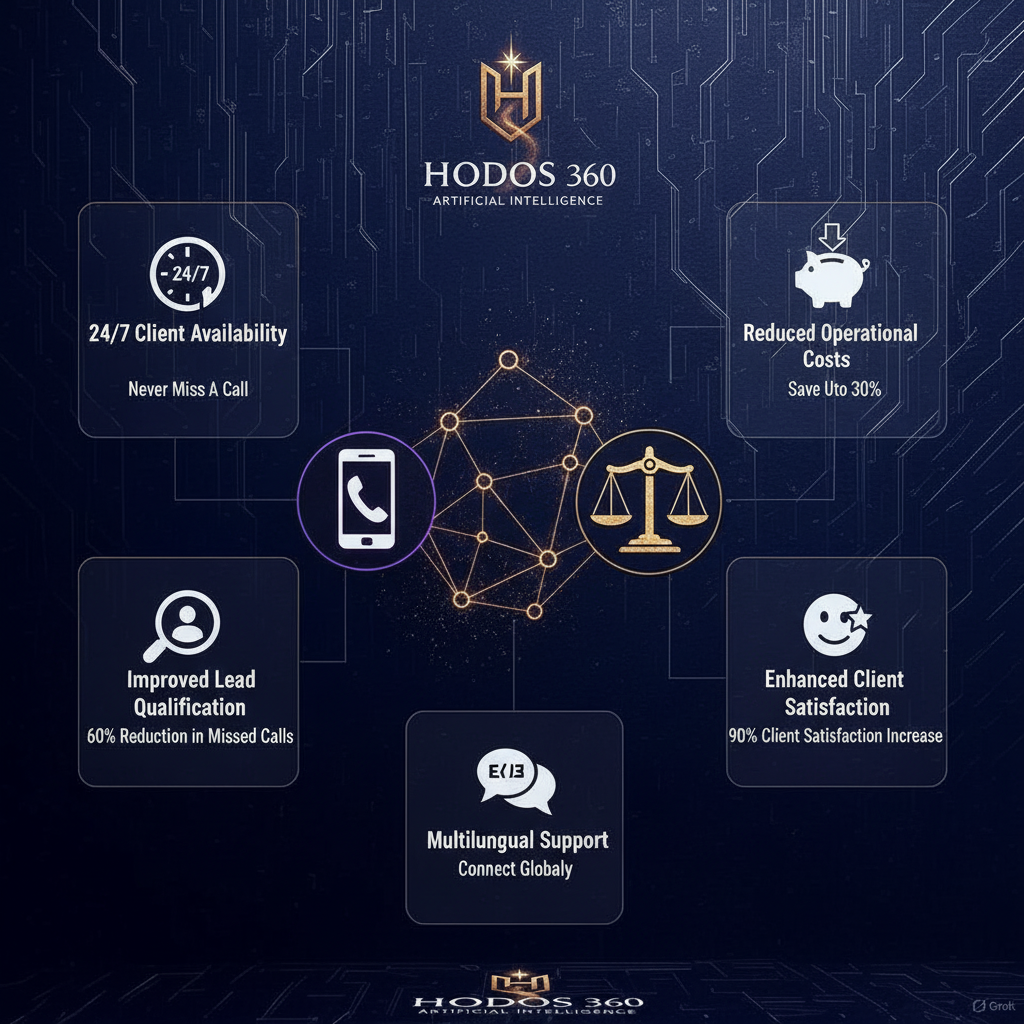
- ✓24/7 client availability and immediate response, capturing all potential leads.
- ✓Precision lead qualification and intelligent routing to the most appropriate legal professional.
- ✓Automated handling of routine inquiries, freeing up legal staff for billable work.
- ✓Multilingual support, expanding client reach and enhancing inclusivity.
- ✓Significant reduction in operational costs compared to traditional reception staff.
- ✓Enhanced client satisfaction through consistent, professional, and timely communication.
- ✓Valuable data analytics on client interactions for informed strategic decision-making.
Navigating the Integration Challenge: Why Many Firms Lag and How to Bridge the Gap
The "26 Call Center Statistics" article shrewdly points out that while AI adoption is soaring, its integration often lags. This is a critical observation, particularly relevant for the legal sector. Many law firms are aware of AI's potential but struggle with the practicalities of implementation. The primary reason for this lag is often a misunderstanding of what successful AI integration entails. It's not merely about purchasing a piece of software; it's about seamlessly embedding intelligent systems into existing workflows, ensuring they complement human efforts rather than disrupt them. Generic AI solutions, designed for broad applications, frequently fall short when confronted with the unique nuances, ethical considerations, and stringent regulatory requirements of legal practice. A 'one-size-fits-all' approach simply doesn't work in an industry defined by its specificity and client-centricity.
Another significant hurdle is the complexity of legal terminology and processes. Unlike a retail call center, where inquiries might be about product returns or order status, legal client communications involve intricate case details, sensitive personal information, and often emotionally charged situations. Many off-the-shelf AI tools lack the sophisticated natural language processing (NLP) capabilities to accurately interpret legal jargon, understand client intent within a legal context, or handle the delicate balance required for sensitive interactions. This can lead to misinterpretations, client frustration, and ultimately, a breakdown in trust – precisely the opposite of what firms aim to achieve. Without AI specifically trained on legal data and designed with legal workflows in mind, the integration process becomes cumbersome, requiring extensive customization and ongoing fine-tuning that many firms lack the resources or expertise to manage.
Resistance to change and a lack of technical expertise within the firm also contribute to the integration lag. Legal professionals are primarily trained in law, not advanced technology implementation. The prospect of overhauling established systems and adopting new, complex tools can be daunting. There's often a fear of the unknown, concerns about data security, and skepticism about AI's ability to handle the human element of legal practice. Without clear guidance, comprehensive training, and a partner who understands both the technology and the legal industry, firms are likely to defer or abandon their AI integration efforts. The gap between recognizing AI's potential and successfully deploying it often stems from a lack of specialized support that can demystify the technology and tailor it to the firm's specific needs and culture.
Bridging this integration gap requires a strategic approach that prioritizes legal-specific AI solutions and expert implementation. It demands a partner who not only provides cutting-edge AI technology but also possesses a deep understanding of the legal industry's unique demands, pain points, and ethical considerations. The solution isn't just about automation; it's about intelligent automation that is context-aware, legally compliant, and designed to enhance the human touch points, not replace them. Firms need a system that can evolve with their needs, integrate seamlessly with their practice management software, and provide a secure environment for sensitive client data. Without such a tailored and supportive approach, law firms risk investing in generic solutions that fail to deliver on AI's true promise, leaving them stuck in the integration lag that the call center statistics so clearly highlight.

HODOS 360: Revolutionizing Legal Client Engagement with Intelligent AI Voice Assistants
In light of the insights from the "26 Call Center Statistics" and the unique challenges faced by the legal sector, HODOS 360 stands as the definitive solution for law firms ready to truly integrate AI into their client engagement strategy. Our AI Voice Assistants are not generic chatbots; they are meticulously designed and trained with the specific needs of law firms, attorneys, and legal professionals in mind. We understand that your firm requires a solution that is not only technologically advanced but also deeply empathetic, legally compliant, and seamlessly integrated into your existing operations. HODOS 360 directly addresses the identified gaps in AI integration by offering a specialized platform that speaks the language of law, understands the nuances of legal client interactions, and delivers measurable results that enhance both client satisfaction and firm profitability. We bridge the gap between AI's soaring potential and its practical, effective application in your practice.
The core of HODOS 360's AI Voice Assistants lies in their comprehensive feature set, tailored to meet the demanding requirements of legal client communication. Our 24/7 phone answering capability ensures that no potential client call is ever missed, capturing every lead regardless of when it comes in. This consistent availability translates directly into higher lead conversion rates, as immediate response is a critical factor in client acquisition. Beyond simply answering, our AI Voice Assistants excel at sophisticated lead qualification. They intelligently interact with callers, gathering vital information about their legal needs, assessing urgency, and determining the best fit for your firm's practice areas. This process ensures that when a call is routed to an attorney, it is a truly qualified lead, saving valuable billable hours and increasing the efficiency of your intake process significantly.
Furthermore, HODOS 360's AI Voice Assistants streamline appointment booking, integrating directly with your firm's calendar systems. Clients can schedule consultations at their convenience, receiving instant confirmations and reminders, thereby reducing no-shows and optimizing your attorneys' schedules. This automation frees up administrative staff from the time-consuming task of managing complex calendars, allowing them to focus on more substantive support for your legal team. Our commitment to accessibility and global reach is also paramount, which is why our AI Voice Assistants offer robust multilingual support. This feature enables your firm to effectively serve diverse communities, breaking down language barriers and ensuring that every client feels understood and respected, expanding your potential client base and reinforcing your firm's commitment to inclusivity.
Choosing HODOS 360 means partnering with an AI-powered platform that understands the intricate demands of the legal profession. We don't just provide technology; we provide a strategic advantage that allows your firm to thrive in the modern legal landscape. Our AI Voice Assistants are a critical component of our broader HODOS 360 AI Law Firm Management System, designed for complete operational excellence. By integrating our intelligent voice solutions, your firm will not only overcome the common integration lags highlighted in industry statistics but will also set a new standard for client engagement, operational efficiency, and sustainable growth. Experience the future of legal client communication with HODOS 360 – where AI works for your firm, intelligently and seamlessly.